
Boeing nabs potential $14.7 billion PAC-3 seeker contract
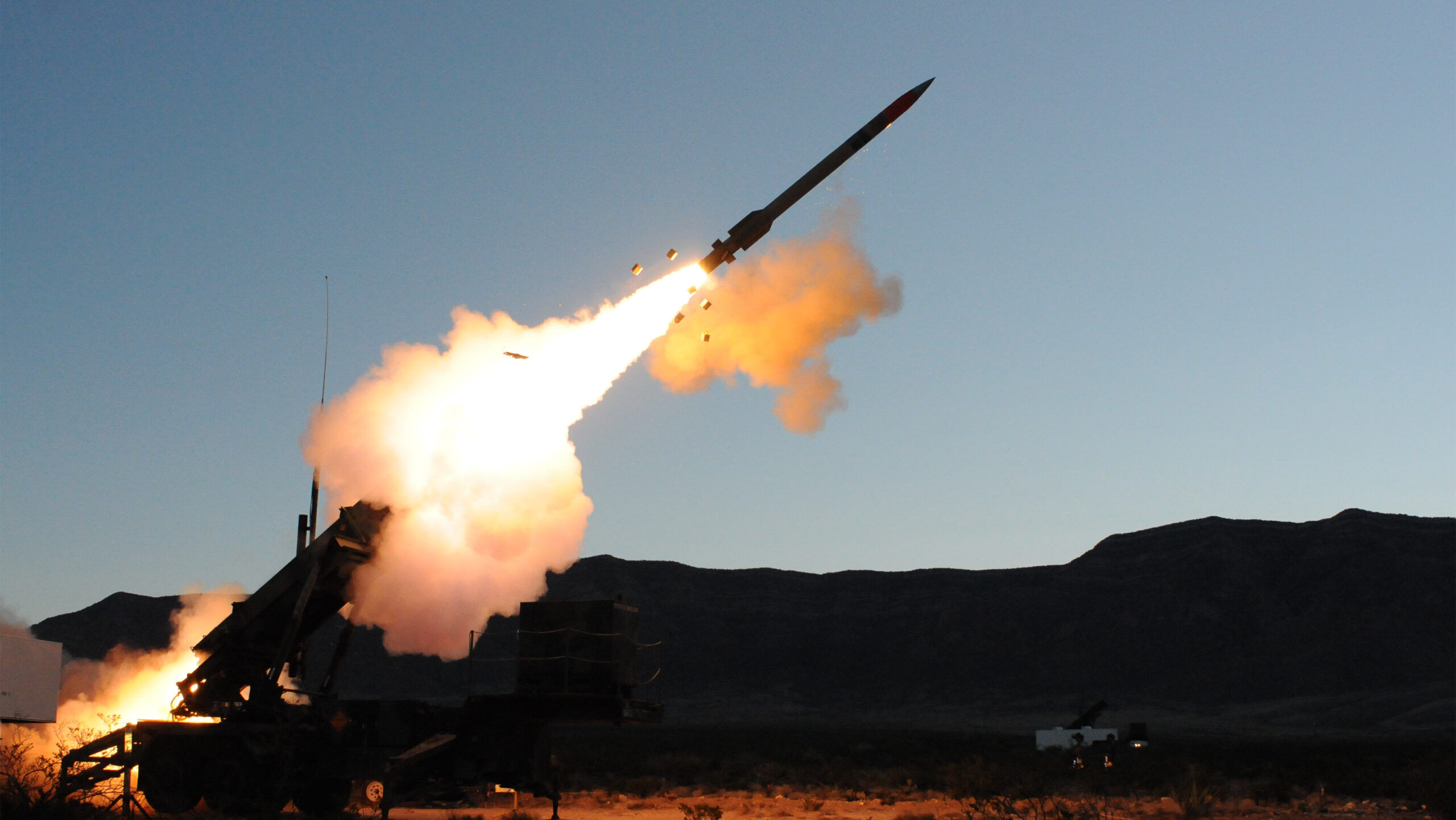
WASHINGTON — Aerospace giant Boeing has been awarded an undefinitized contract worth up to $14.7 billion to boost production of seekers for the PAC-3 Missile Segment Enhancement (MSE) interceptor, a key system used by Western allies for air defense, the company said today.
In a press release, Boeing revealed the contract was issued as a seven-year deal by Lockheed Martin, which manufactures the PAC-3. The PAC-3 MSE is a hit-to-kill interceptor launched by the Patriot air defense system to bat down threats like missiles and aircraft.
“Early investment and a relentless focus on quality and execution have positioned us to now deliver seekers at unprecedented levels in the near-term, and we’re committed to building on that momentum,” Steve Parker, the president and CEO of Boeing’s defense unit, said in the release.
A seeker is mounted in a missile’s nose and helps guide it to its target. The seeker award comes as the US rushes to replenish stockpiles of interceptors like the PAC-3 MSE drained by conflicts in Ukraine and the Middle East.
The multibillion-dollar award follows a seven-year framework agreement that Boeing reached with the Pentagon in April to triple production of the seeker, though the company has not disclosed specific quantities. The contract announced today essentially underwrites that framework.
A nearly $59 billion contract vehicle for PAC-3 MSE production itself was issued to Lockheed in July, following a framework agreement to raise the missile’s output to 2,000 units annually by 2030. And like the Lockheed award, the seeker contract announced today is an undefinitized contract action, or UCA. A UCA can kickstart work as final dollar amounts and quantities are ironed out, and permits early work even when there are roadblocks for appropriations — notable, since a fiscal 2027 budget still has not been approved by lawmakers, and a separate reconciliation package looks in doubt.
In its release, Boeing notes that the company began ramping up production and surging hiring earlier this year at its facilities in Huntsville, Ala., to support increased production. Historically, the missile’s seeker has reportedly been a choke point for PAC-3 output.
Seekers are also a pricey component of a missile, and in August Boeing revealed that it is developing a low-cost alternative amid soaring calls by militaries for cheaper interceptor options. Boeing says future flight tests are planned but has not disclosed when the new seeker, called the Ultra Low-Cost Seeker, could enter service.