
Pentagon, Raytheon sign $6.3B deal to replenish US missile interceptor supply
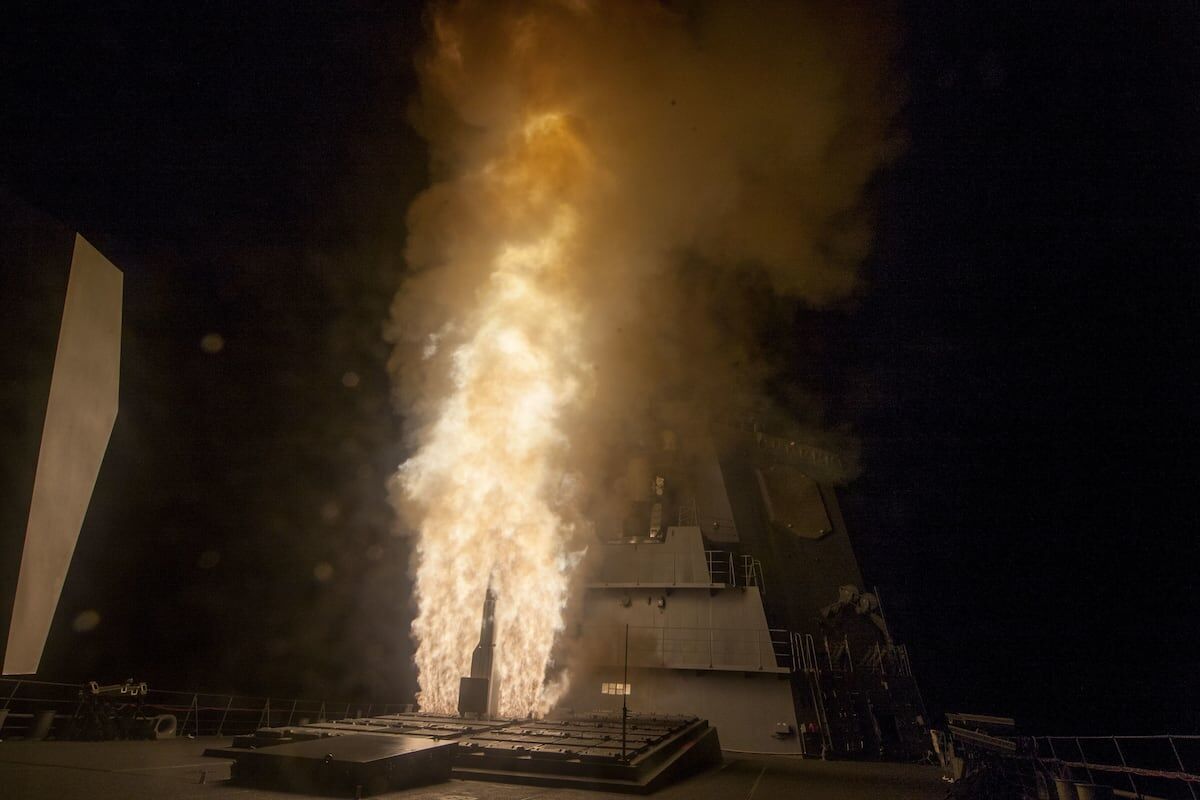
The Pentagon inked a five-year contract with Raytheon for the steady production of ballistic missile interceptors that use force to destroy targets, rather than explosives.
The $6.3 billion contract, which provides two additional option years, will see Raytheon provide the Defense Department with a continuous supply of Standard Missile-3 Block IB interceptors manufactured primarily in Tucson, Arizona and Huntsville, Alabama.
“SM-3 Block IB has proven its relevance in combat and this contract helps ensure we can replenish inventories and keep pace with the evolving threats the U.S. Navy, MDA and their partners face around the world,” Raytheon President Phil Jasper said in a statement.
The SM-3 Block IB interceptor belongs to a larger family of “hit-to-kill” SM-3 missile interceptors, which seek and destroy incoming ballistic missiles using sheer speed and momentum.
The Block IB type can be used by land forces and ships and is frequently deployed on vessels due to its range and highly flexible steering. The interceptor tracks flying targets with a two-color infrared seeker and propels itself towards them in short bursts, giving it accuracy at high speed as it homes in on targets.
It is designed to knock short- and intermediate-range ballistic missiles out of the sky when they are halfway to hitting their targets, and has long striking reach. It was used in combat for the first time in 2024 when the U.S. Navy destroyers USS Arleigh Burke and USS Carney fired them to intercept Iranian missiles aimed at targets in Israel.
The Center for Strategic and International Studies named the SM-3 Block IB among “seven critical munitions” in an April report detailing ammunition shortages, alongside Patriot missiles, Precision Strike Missiles, Terminal High Altitude Area Defense (THAAD) missiles, Tomahawk Land Attack Missiles and others.
The contract for more SM-3 Block IBs, announced by Raytheon on Thursday, was among five framework agreements the defense giant signed with the Pentagon this February.
The deal comes at a time when the DoD is seeking to avert diminishing munitions stockpiles. National security specialists, defense analysts and foreign policy pundits cautioned in March that the U.S. military’s increased use of missile interceptors during the war with Iran poses strategic risks to integral defense capabilities if fighting spills into a long-term conflict.
Raytheon stated in its release that the contract for SM-3 Block IB supply “supports urgent replenishment of missile defense inventory that has been successfully used in combat and remains central to protecting U.S. forces, allies and critical infrastructure.”
Zita Ballinger Fletcher previously served as editor of Military History Quarterly and Vietnam magazines and as the historian of the U.S. Drug Enforcement Administration. She holds an M.A. with distinction in military history.