
Japanese nuclear submarines are a bad idea for East China Sea security — for now
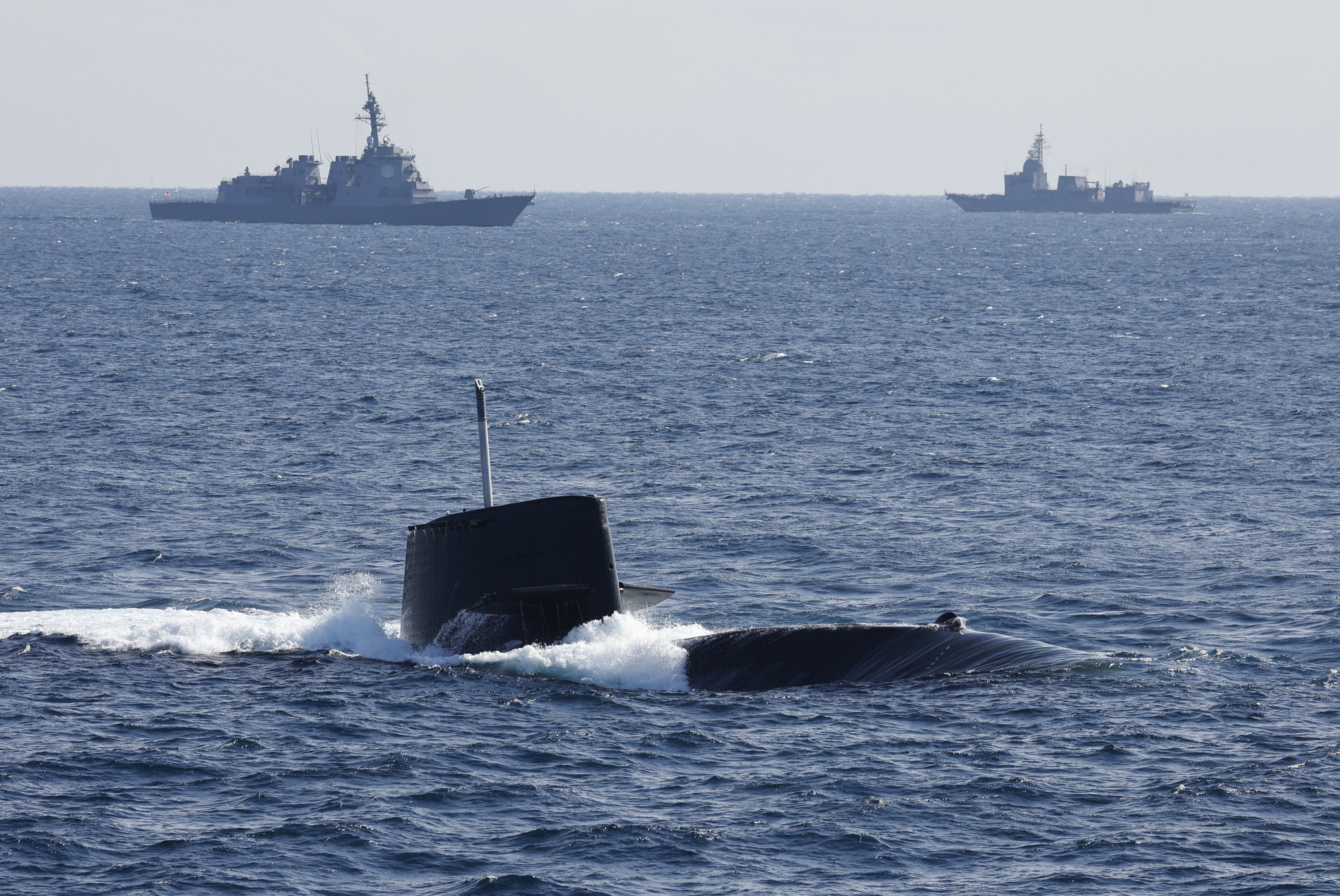
Japan faces a difficult security environment. Relations with the rising superpower next door, namely China, are extremely tense at present and for the last year. Japan must also contend with a hostile Russia and North Korea as well. All three of these countries possess nuclear weapons and are actively adding to those arsenals. If that wasn’t enough, the second Trump administration has been distracted by the Middle East and also demonstrated a relatively carefree approach to traditional U.S. allies.
No wonder that nuclear talk is now fashionable among defense analysts in Tokyo.
Indeed, Japan has good reasons to take its defense more seriously and has set about doing so. For decades, Tokyo restricted itself to spending about 1% of GDP on defense, but that self-imposed restriction fell away in recent years. Today, serious calculations are underway regarding whether or not Japan should follow other middle powers like Australia and South Korea by creating a nuclear submarine program. While the idea is not without merit, Japanese and American strategists need to consider the wider consequences before stepping out on this new initiative.
In early November, the Chinese newspaper Global Times published an editorial revealing that China’s rather predictable reaction to any Japanese plan to build a nuclear submarine force would be extremely harsh. The editorial suggests that Japanese Defense Minister Shinjiro Koizumi has “become obsessed” with acquiring nuclear submarines. The Chinese article is sharply critical of the initiative, explaining that it represents a “sleight of hand intended to bypass scrutiny.” It explains: “The fuel cycle, the reprocessing of spent nuclear fuel, and the management of nuclear materials associated with nuclear-powered submarines overlap significantly with the development path for nuclear weapons.”
This Chinese perspective interprets Japan’s strategy as follows: Acquire the submarines first, then obtain nuclear weapons — presumably following a secret roadmap by “right-wing factions.”
The same editorial also had harsh words for the United States, asserting, “The United States is well aware of this, yet it has long chosen to turn a blind eye.” According to this rendering, Washington leaders “seek to arm Japan, transforming it into a forward-deployed spearhead in East Asia and forcing it to shoulder a greater share of the costs of confrontation.”
The piece concludes that U.S. policy is “shortsighted and arrogant … [as it] gambles with the post-war international order and the nuclear non-proliferation regime, effectively allowing a dangerous ‘Pandora’s box’ to be pried open.”
The shrill tone of this editorial is worthy of note. China-Japan relations have entered a genuine crisis stage during the last year and Washington must be cognizant of the perilous escalatory dynamics, since it could unfortunately be dragged into an unwanted war between the two contending East Asian powers.
To be sure, there are reasons why Japanese nuclear submarines merit closer analysis. Not only is the Chinese Navy’s rapid growth altering the Asia-Pacific military balance, but Japan could quite seamlessly integrate into the existing AUKUS program, a Biden administration initiative from 2021 that unites America together with Australia and the U.K. to focus on jointly fabricating nuclear submarines.
Unquestionably, Tokyo does possess the requisite trained workforce and industrial capabilities to make such a force feasible, even in the near future. Nuclear submarines remain as a formidable naval weapons system – for sure. Finally, if the development of nuclear submarines can preclude the creation of Japanese nuclear weapons, that could perhaps form a sensible political compromise in this age of increasing insecurity.
At present, however, the counterarguments remain more compelling. Such a step by Tokyo would undoubtedly kick up a political firestorm both in the international community and most likely within Japan itself too. The Chinese editorial may be correct that opening “Pandora’s Box” and this route to nuclear weapons proliferation could initiate the much feared “nuclear cascade,” since many other countries may wish to go the same direction.
It’s also important to recognize that Japan already wields a very potent undersea force with some of the most advanced air-independent propulsion (AIP) diesel submarines in the world. True, nuclear submarines are generally larger and could carry a spate of new offensive weapons systems, such as land-attack missiles. But that would change the character of the Japanese Maritime Self-defense Force into a more offensive striking element, as opposed to a defensive force. A nuclear submarine fleet and associated offensive munitions (e.g. land-attack missiles) would soak up scarce resources for Japan’s crucial defensively-oriented, conventional forces and, moreover, much of the East Asian littoral has shallow waters that are not so amenable to larger nuclear submarines anyhow.
Most consequential, however, would be the obviously deleterious impact that this development would entail for China-Japan relations, as the above editorial makes clear. The sad but important reality of contemporary China-Japan relations is that this enmity is less based on divergent interests or aggressive intentions. Instead, the present hostility arises from dangerous, emotive historical grievances.
America cannot allow such unrequited nationalist impulses on either side of the East China Sea to escalate into a gravely hazardous “spiral model” of conflict. Therefore, Washington must reign in Tokyo’s ambitions for nuclear submarines, even as it encourages Japan to further develop defensive capabilities, such as air defenses, mine countermeasures, and base hardening consistent with the military lessons from the recent wars in the Persian Gulf and Eastern Europe.
Lyle Goldstein is director of the China Initiative at Brown University’s Watson School and concurrently serves as director of the Asia Program at the think-tank Defense Priorities.